TMJ Treatment in Prairie Village, KS
TMJ disorder is a problem with the joints that hinge your lower jaw to your skull. It can bring jaw soreness, clicking, a jaw that locks, and headaches.
At our Prairie Village office, the first step is an exam and imaging of the joints. Most treatment starts with a night guard or medication, and surgery is kept for the cases that don’t respond.
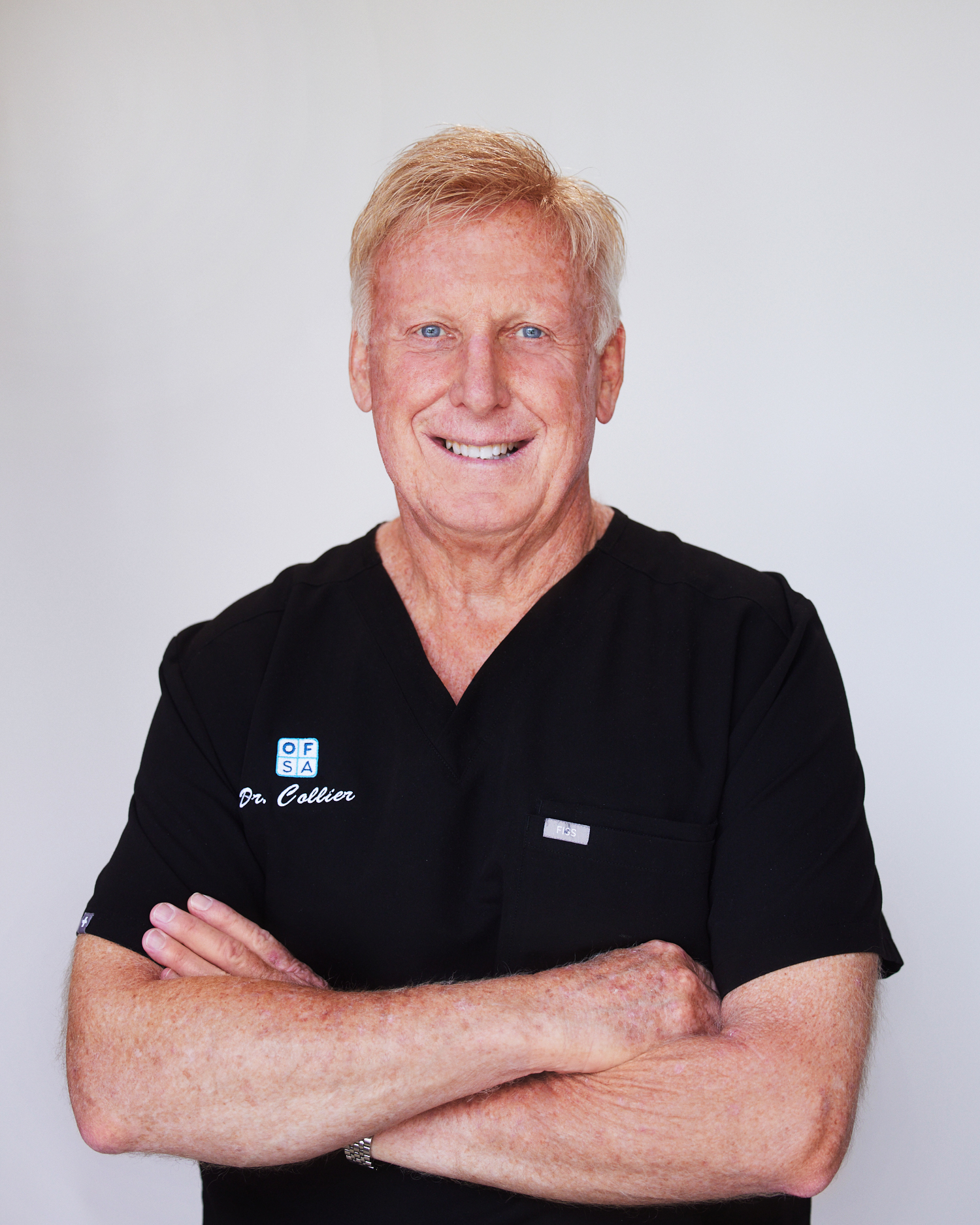
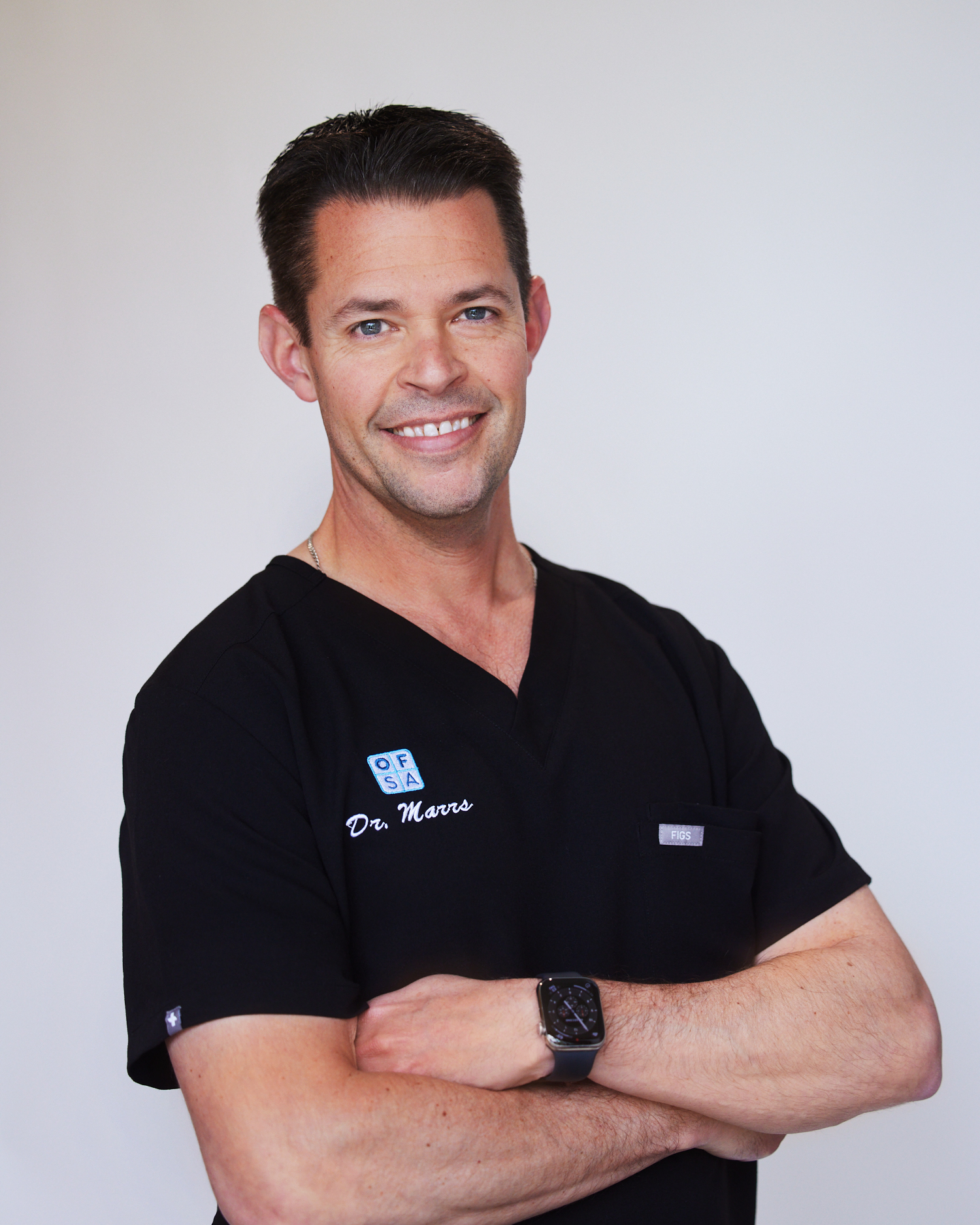
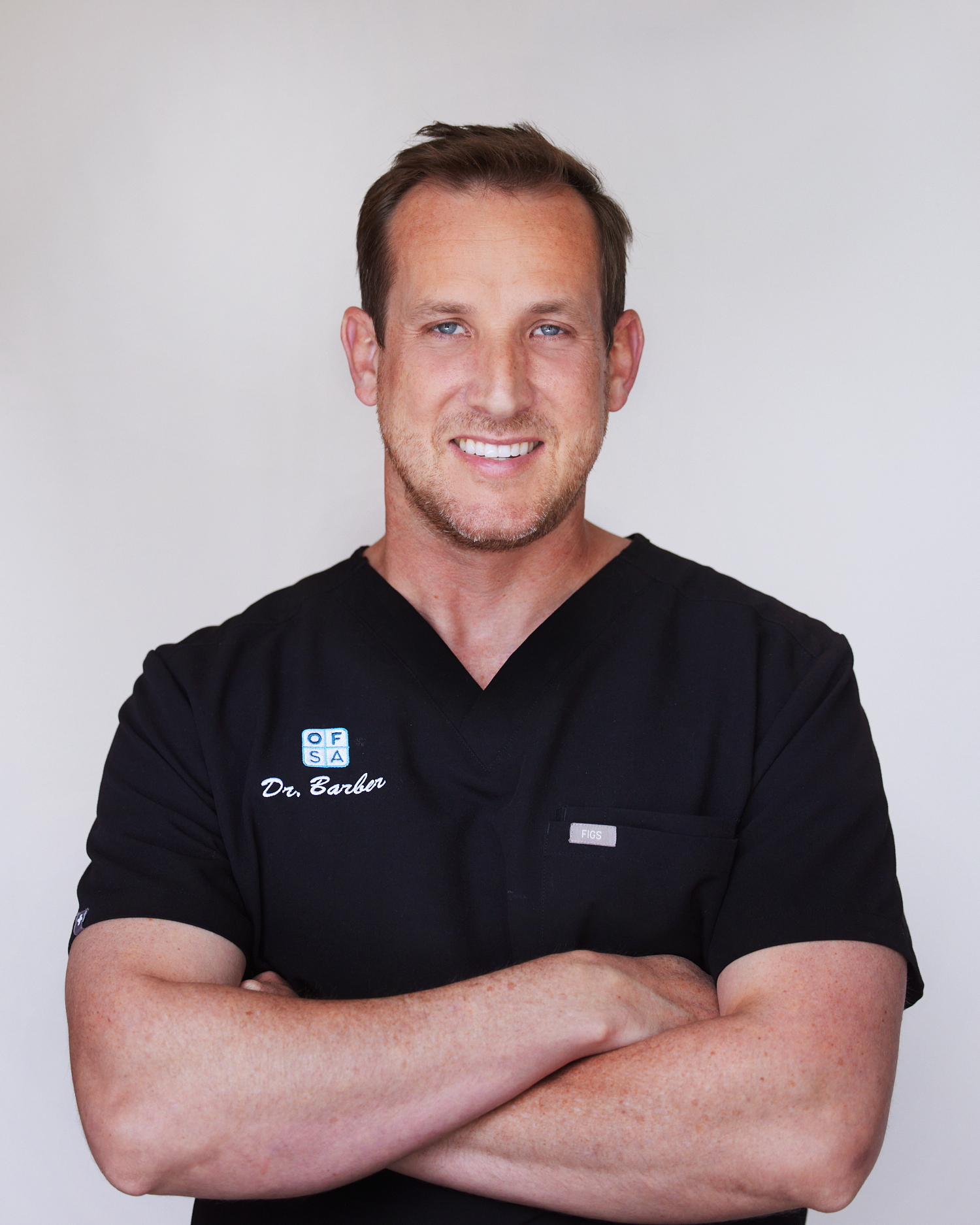
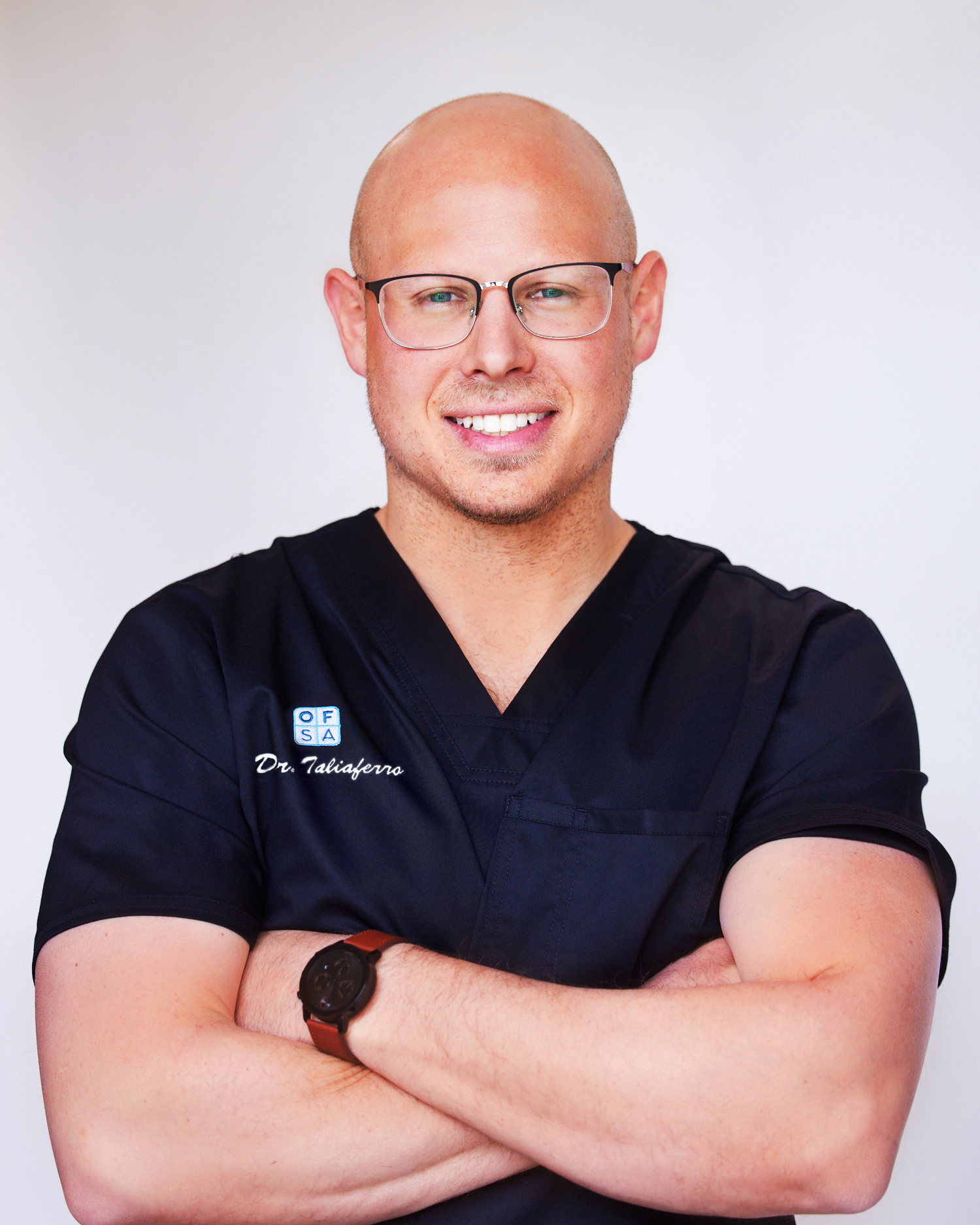
By the team at Oral & Facial Surgery Associates, Prairie Village. November 2, 2026.
TMJ care at OFSA Prairie Village
| Who treats it | Board-certified oral and maxillofacial surgeons |
|---|---|
| First visit | Consultation: symptoms, medical history, bite exam |
| Imaging | X-rays, and a cone beam (3D) scan of the jaw joints when needed |
| Non-surgical options | Custom mouthguard, BOTOX Medical injections, medications |
| Bite-related options | Orthodontics, crowns, reshaping certain teeth |
| Surgery | TMJ surgery for severe cases, as a last resort |
| Office | 3700 West 83rd Street, Suite 103, Prairie Village, KS 66208 |
| Phone and hours | (913) 381-5194. Monday to Thursday 8:00 AM to 4:30 PM, Friday 8:00 AM to 1:00 PM |
Source: services and office details from our Prairie Village office page.
TMJ Treatment can provide...
- Relief
Treatment aims to ease soreness in and around the joint, clicking when you open or close your mouth, a locked jaw and headaches.
- Long-Term Benefits
Treating a bite problem early can help protect your teeth from wear and your jaw joints from further damage.
- A Better Quality of Life
Jaw pain that comes back day after day wears on your mood and your sleep. Easing it makes eating, talking and yawning simpler.
- Fewer Procedures Later
Early TMJ treatment can reduce the need for more involved treatment down the road.
Am I likely to develop the condition?
Women see TMJ disorder more often than men. Teeth grinding, a misaligned bite and stress all add to the strain on the joint. A consultation is the way to find out what is behind your symptoms.
Seeking treatment can ease...
- Teeth Grinding
Grinding is one of the most common causes of TMJ disorder, so most treatments target it first.
- Jaw Discomfort
A sore jaw gets in the way of talking and of eating crunchy foods.
- Bite Problems
TMJ disorder can throw off your bite. Treating the joint is often the first step before realigning your teeth.
Do I qualify for any treatments?
- Are you still in pain?
If your symptoms don’t go away on their own, call us for an exam.
- Can't open your jaw fully?
Trouble chewing or speaking is a sign to have your jaw checked.
- Are you in good health?
Surgery for severe cases requires good general health.
Do I really need to see a doctor?
When in Doubt, Have It Checked Out
TMJ symptoms are easy to blame on stress, and stress can play a part. Because the pain comes and goes, it’s tempting to wait. But the longer TMJ disorder goes untreated, the more damage it can do to the joint. An exam at our Prairie Village office tells you what’s going on and what your options are.


How does TMJ disorder develop in the first place?
A misaligned bite keeps the muscles around the jaw tense. Over time, the cartilage disc in the joint can shift out of place and wear down. If the cartilage breaks down, the jawbone grinds against the skull. The tension can spread into your neck and shoulders.
Consultation and Diagnosis
- Evaluating Your Condition
Your surgeon asks about your symptoms, reviews your medical history and examines your bite.
- Taking X-Rays
X-rays show how your jaws and teeth meet. We may also use a cone beam scanner for a 3D view of the jaw joints.
- Recommending Treatment
If your bite or another condition is straining the joints, your surgeon walks you through the options below.
What kind of treatments are available?
- Custom Mouthguards
Custom mouthguards keep you from damaging your teeth when you grind in your sleep.
- Orthodontics
Orthodontics can align the jaws so the teeth meet properly.
- Prosthodontics
Prosthodontics, such as crowns, can restore a balanced bite.
- Reshaping Teeth
Reshaping certain teeth can balance the bite and ease tension in the joints.
- BOTOX® Medical
BOTOX Medical injections can relax tight jaw muscles.
- Medications
Your surgeon may recommend pain relievers or anti-inflammatories for discomfort, low-dose antidepressants for grinding, or muscle relaxants for spasms.
Easing Your Discomfort
Untreated TMJ disorder ranges from uncomfortable to disabling. Treatment aims to reduce your symptoms so you don’t have to brace yourself before yawning or biting into an apple.

Questions about TMJ treatment in Prairie Village
My jaw clicks and aches when I chew. Who treats TMJ near Prairie Village?
Oral & Facial Surgery Associates treats TMJ disorder at our Prairie Village office at 3700 West 83rd Street. Our board-certified oral and maxillofacial surgeons start with an exam of your bite and jaw joints, often with X-rays or a 3D scan. Clicking with pain is a common reason people come in. You don’t need to wait until your jaw locks to have it checked.
Can I get BOTOX for TMJ jaw pain at OFSA?
Yes. BOTOX Medical injections are one of the TMJ treatments we offer at OFSA. The injections relax strained jaw muscles, which can ease pain tied to clenching and grinding. Your surgeon will look at the cause of your symptoms first, since BOTOX works on the muscles and not on the joint itself.
Will I need surgery to fix my TMJ?
Most people don’t. At our Prairie Village office, surgery is the last resort for serious cases that haven’t improved with other care. Treatment usually starts with options like a custom mouthguard, medication or BOTOX Medical injections, and some patients are referred for orthodontic or bite work. If surgery is on the table, your surgeon explains why at your consultation.
I wake up with headaches and a sore jaw. Could it be TMJ?
It can be. Headaches, jaw soreness and teeth grinding at night are all linked to TMJ disorder, but other conditions cause them too. An exam at Oral & Facial Surgery Associates in Prairie Village looks at your bite, your jaw joints and your X-rays to find the cause. Call (913) 381-5194 to set up a consultation.
What happens at a TMJ consultation?
Your surgeon asks about your symptoms and medical history, then examines how your teeth meet and how your jaw moves. Most visits include X-rays, and some include a cone beam scan for a 3D view of the joints. You leave knowing what is likely causing your symptoms and which treatments fit.